
 Image 1 of 1
The vineyard sits just outside Montepulciano, three hectares of land known as Sanguineto—a name left behind by an old battle between Romans and Etruscans. In 1968, she began working the vines alongside her father, learning the rows over time, without much explanation.
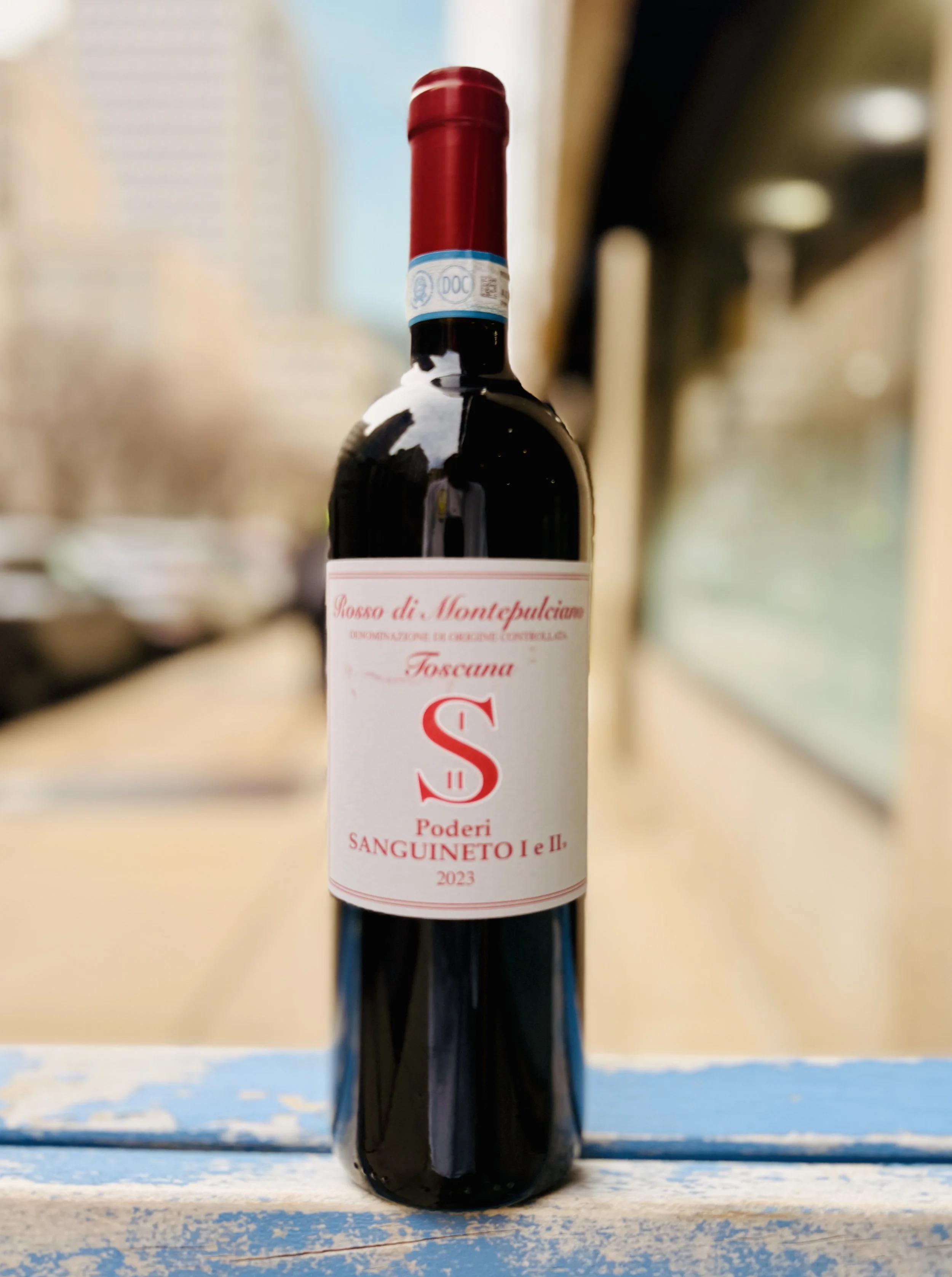
That sense of continuity carries straight through to the Rosso. This is not a wine made to gesture toward grandeur or to preview what the Vino Nobile might become. It’s made to be opened, poured, and returned to. Sangiovese leads the way, with small amounts of traditional local varieties adding shape rather than distraction. Fermentation and aging are handled simply, without shortcuts, and the wine arrives in the glass with a calm sense of proportion.
The fruit stays firmly red. The tannins show up early and don’t overstay their welcome. Nothing is polished into submission. It’s the kind of Rosso that works because it understands its role—structured enough for the table, flexible enough to drink without ceremony.
This is a bottle that earns its place by staying put. Reliable, unforced, and quietly expressive, it’s a reminder of why Rosso exists in the first place.
The vineyard sits just outside Montepulciano, three hectares of land known as Sanguineto—a name left behind by an old battle between Romans and Etruscans. In 1968, she began working the vines alongside her father, learning the rows over time, without much explanation.
That sense of continuity carries straight through to the Rosso. This is not a wine made to gesture toward grandeur or to preview what the Vino Nobile might become. It’s made to be opened, poured, and returned to. Sangiovese leads the way, with small amounts of traditional local varieties adding shape rather than distraction. Fermentation and aging are handled simply, without shortcuts, and the wine arrives in the glass with a calm sense of proportion.
The fruit stays firmly red. The tannins show up early and don’t overstay their welcome. Nothing is polished into submission. It’s the kind of Rosso that works because it understands its role—structured enough for the table, flexible enough to drink without ceremony.
This is a bottle that earns its place by staying put. Reliable, unforced, and quietly expressive, it’s a reminder of why Rosso exists in the first place.