Bacco’s Wine Club May 2026
Growing Places: How a Cherry Farmer Remade the Edge of Willamette Valley
Oregon's Willamette Valley has been selling the same story for a while now: cool climate, elegant Pinot Noir, Burgundy's Pacific cousin. It's not a bad story. But it leaves out a lot of what's actually happening out there, and Illahe is a good example of what gets left out.
The vineyard starts with Lowell Ford, who made a trip to Germany and Austria in the late 1970s, fell in love with the white varieties he found there, came home, and got out of the cherry business. He started planting grapes on the family farm in West Salem — Grüner Veltliner, Müller-Thurgau, Pinot Gris — at a moment when Oregon wine meant one thing to most people, and that thing was Pinot Noir. The whites worked. Pinot Noir proved challenging at that site. So Lowell kept looking. In 2000 he bought an 80-acre property in Dallas, Oregon — a south-facing hillside on marine sedimentary soils over ancient volcanic bedrock — and began planting his Pinot vineyard. His son Brad, who had studied the Classics before turning to wine, made the first vintage in 2006.
They named the winery Illahe — Chinook for "earth," "place," or "soil" — because it felt like the Northwest word for terroir. That's a fair description of what they're after. The vineyard is dry-farmed and LIVE-certified, catches the Van Duzer corridor winds each evening off the Pacific, and is still run by the Ford family as a working farm. The spirit of experimentation Lowell brought back from Europe — plant what interests you, see what the site can do — never left.
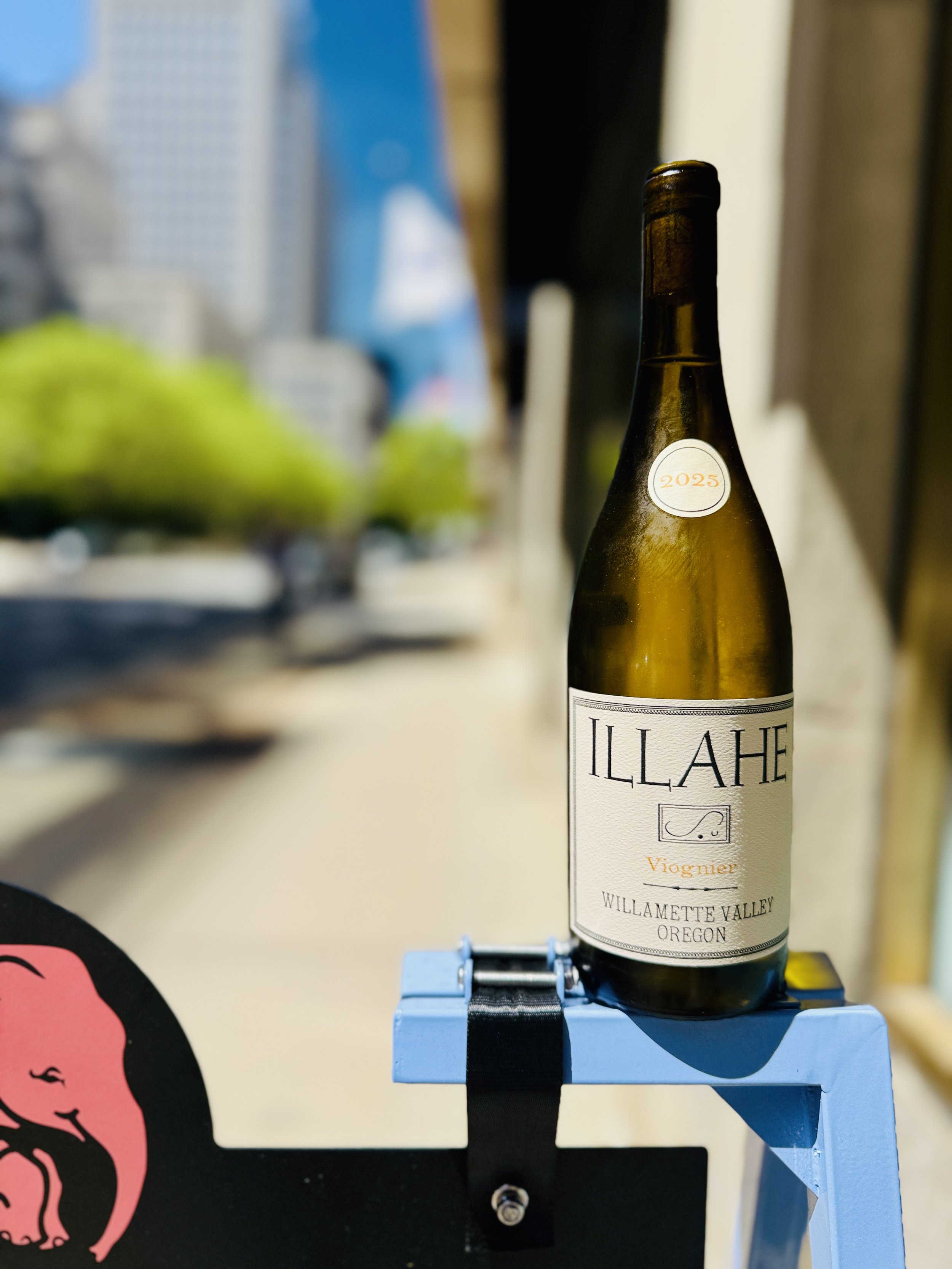
Illahe Viognier 2024
The Viognier 2024 is the hardest sell on paper and the easiest sell in the glass. Viognier is a minefield — it tips from floral and textural to flabby and overdone faster than almost any other variety. The Van Duzer winds keep enough acidity here to hold everything together: warm days push the fruit toward apricot and white peach, cool evenings keep the wine from losing its shape. The Viognier is destemmed and skin-soaked overnight before a cool ferment in stainless steel or neutral oak — no oak you'll notice in the finished wine, just generous texture and a little orange blossom thread that doesn't announce itself. If you know someone stuck between Pinot Grigio and something more interesting, this is where to point them.
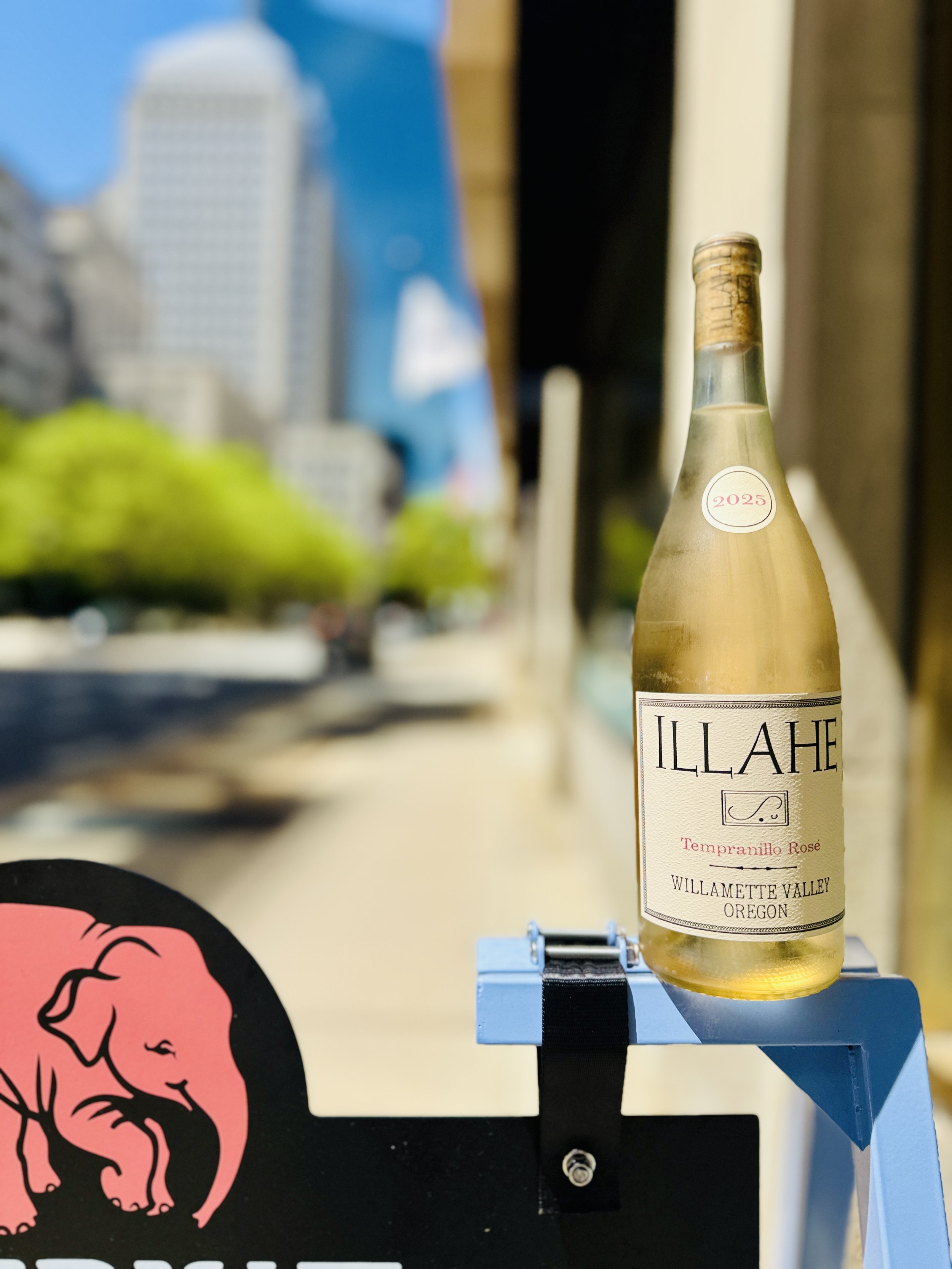
Pictured: Illahe Tempranillo Rose 2025
Illahe Tempranillo Rose
The Tempranillo Rosé 2025 is the pivot. The Tempranillo is pressed whole-cluster and fermented in neutral oak — a winemaking decision that keeps the grape's natural structure intact through the process. Tempranillo doesn't surrender its identity through a light press the way some varieties do; you get real weight, a savory mid-palate, a dry finish that doesn't disappear against food. Pale copper in the glass, built for a table rather than a porch. Charcuterie, grilled fish, roasted peppers. It bridges the white and the red without feeling like it's just filling a slot, and it exists because Lowell decided thirty years ago that this hillside could grow things Oregon wasn't supposed to grow
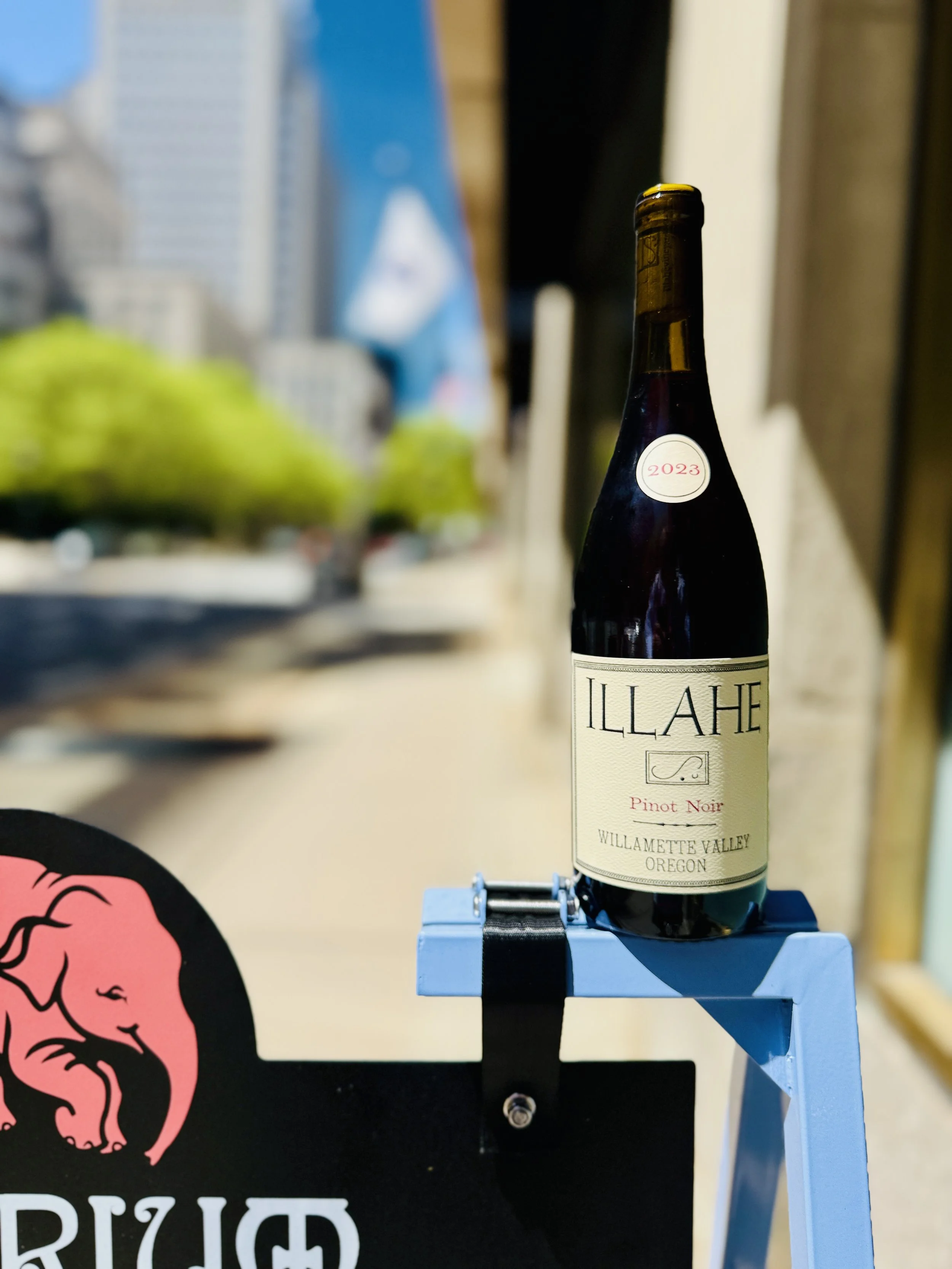
Pictured: Illahe Pinot Noir 2023
Illahe Pinot Noir
The Pinot Noir 2023 is where the story lands. When Brad took over the winery he had been to France and noticed the use of horses in the vineyard, something that wasn't happening to the same extent in Oregon. Illahe purchased a team of Percheron draft horses and began working with them to mow between the rows and bring fruit to the winery at harvest. That interest in working by hand deepened into something more deliberate. In 2011 Brad decided to make one wine — the 1899 Pinot Noir — using nothing that wouldn't have been available in 1899: no electricity, no stainless steel, no modern machinery. The wine is delivered to the distributor by mule-drawn stagecoach, canoe, and cargo bike on a 96-mile journey down the Willamette River. That wine isn't in your bag this month, but the philosophy behind it is in everything Illahe makes.
The 2023 Pinot is a different argument than the elegant, high-acid Willamette archetype — Polk County runs warm, 2023 ran warm, and the result is a Pinot with darker fruit and more apparent structure. Give it an hour open, serve it slightly cool, put it next to something with some fat. It has things to say and doesn't rush to say them.
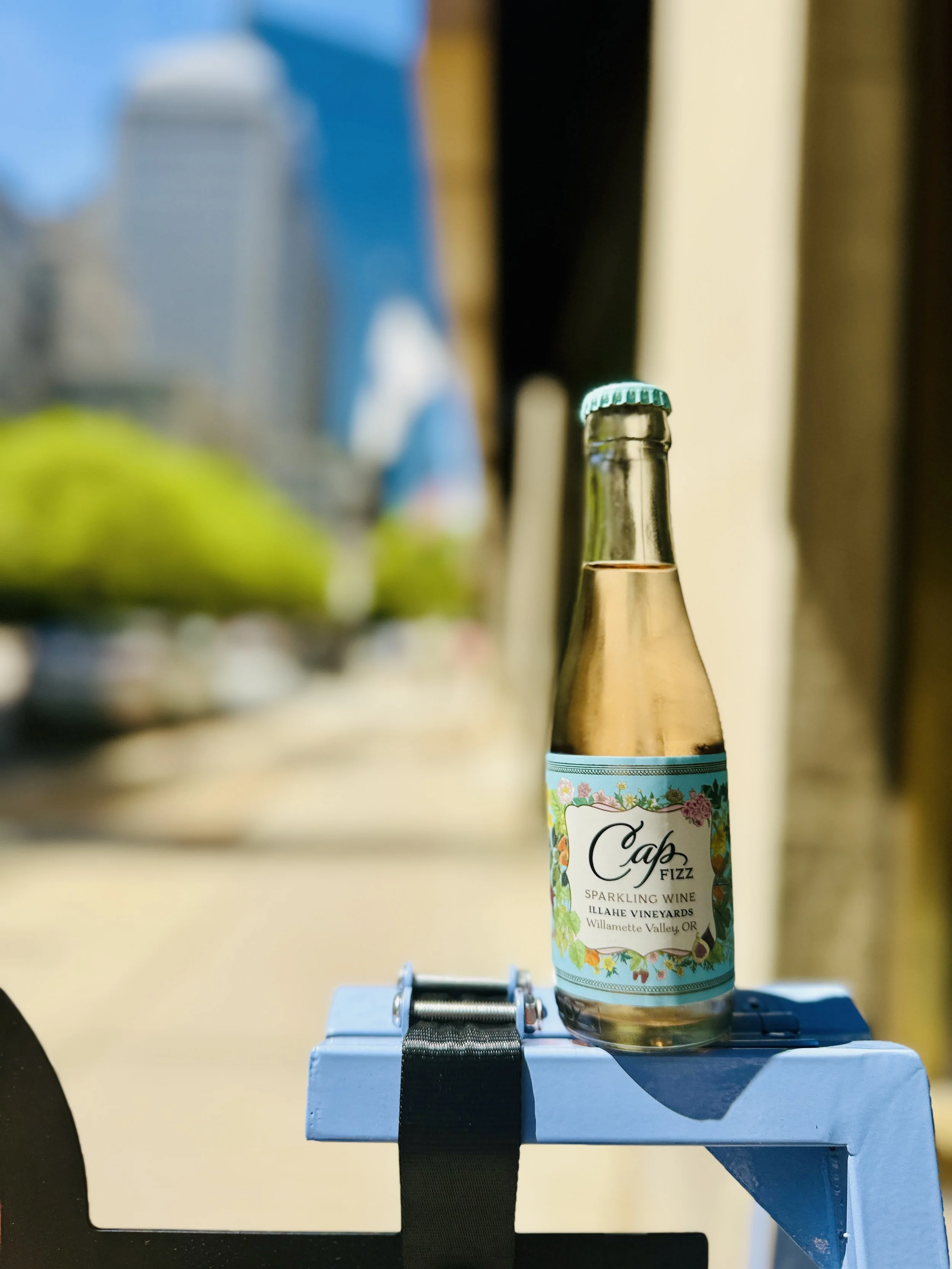
Illahe Cap Fizz
The Cap Fizz is a little bonus from me to you — Illahe's pét-nat, a tipple’s worth, meant for the moment before dinner when you need something in your hand. Drink it cold and immediately.